
The Allure of Gambling: A Psychological Perspective
The excitement of a casino environment is intricately tied to psychological factors that influence player behavior. Casinos are designed to create a stimulating atmosphere, full of sights, sounds, and engaging interactions that appeal to various emotional triggers. This sensory overload can lead to heightened arousal, making players more susceptible to impulsive decision-making. In fact, many people frequently seek out the best offshore betting sites to amplify their gaming experience. The thrill of potential wins can create a dopamine rush, encouraging people to place bets in search of that euphoric state.
Moreover, the idea of winning big can overshadow the risks involved in gambling. Players may convince themselves that they are on the brink of a large payout, leading to persistent play. This form of cognitive bias, often referred to as the “gambler’s fallacy,” can skew their perception of probability and risk, driving them to continue playing despite losses.
The Role of Emotions in Decision Making
Emotions play a crucial role in how players make decisions in a casino. For many, gambling serves as a way to escape from reality, providing a momentary distraction from life’s pressures. This need for escapism can lead to increased gambling activity, as players seek relief in the thrill of a game. When emotions run high—whether due to excitement, frustration, or anticipation—rational decision-making can take a backseat.
In addition, the social aspect of casinos can amplify emotional responses. Interactions with other players and staff can create a sense of community, further enhancing the emotional experience. This connection often results in players making decisions that are less based on strategy and more influenced by the immediate social environment, which can lead to impulsive bets or increased wagering.
The Impact of Environment on Player Behavior
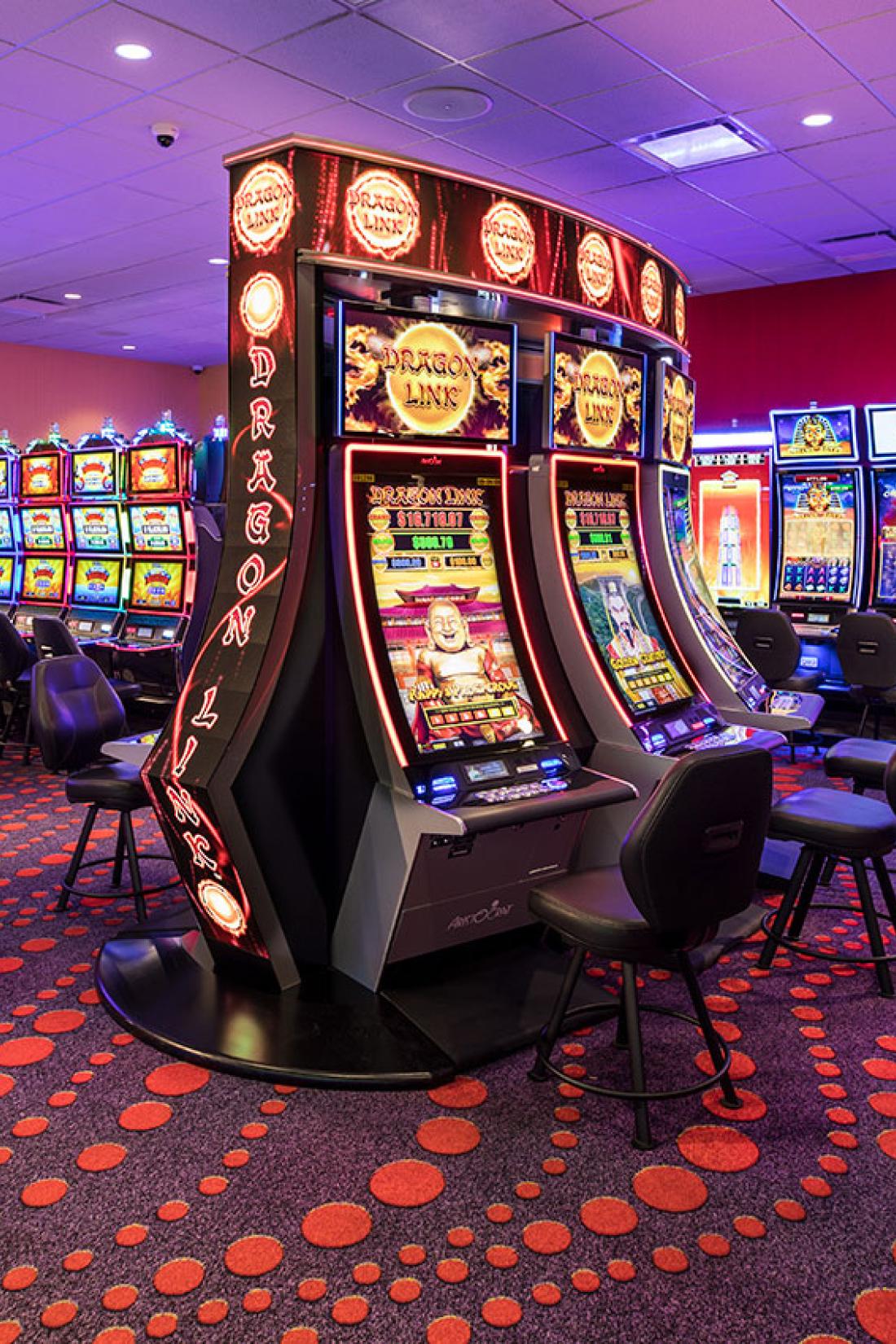
The physical design of casinos plays a significant role in shaping player behavior. Elements such as lighting, layout, and sound are strategically curated to maintain a lively atmosphere that encourages continuous play. For example, bright lights and exciting sounds associated with winning are cleverly used to reinforce positive feelings, making players more likely to stay longer and engage more actively.
Furthermore, the absence of clocks and windows creates a disorienting effect that can lead to extended gambling sessions. Players may lose track of time, which can contribute to increased betting activity. The overall ambiance of a casino, combined with the occasional complimentary drinks, further lowers inhibitions and enhances the likelihood of spontaneous decision-making, often to the detriment of the players’ bankrolls.
Cognitive Biases and Their Effect on Gambling Choices
Numerous cognitive biases come into play when individuals engage in gambling. For instance, confirmation bias may lead players to only acknowledge wins while ignoring losses, skewing their perception of their gambling success. This selective memory can reinforce the desire to gamble, as players may feel a sense of lucky streaks that do not actually exist.
Another significant cognitive bias is the illusion of control, where players believe they can influence the outcome of games that are based on chance. This belief can lead players to take unnecessary risks, further impacting their decisions and overall gambling behavior. Understanding these biases is crucial for both players and the industry, as it sheds light on why individuals often make poor financial choices in a casino setting.

Ensuring Safe and Responsible Gambling
As the understanding of psychological factors influencing gambling behavior grows, it becomes essential to promote responsible gaming practices. Many casinos and online platforms are implementing measures to ensure player safety. This includes setting limits on spending, offering self-exclusion programs, and providing educational resources about the risks associated with gambling.
These initiatives not only help mitigate the negative effects of gambling but also contribute to creating a more secure environment for players. Continued focus on responsible gaming will be crucial in balancing the excitement of the casino experience with the need for safety and security, making it possible for players to enjoy games without falling prey to the inherent risks.